
Patient Engagement, AI, Patient Voice
What happens when the insight is wrong?

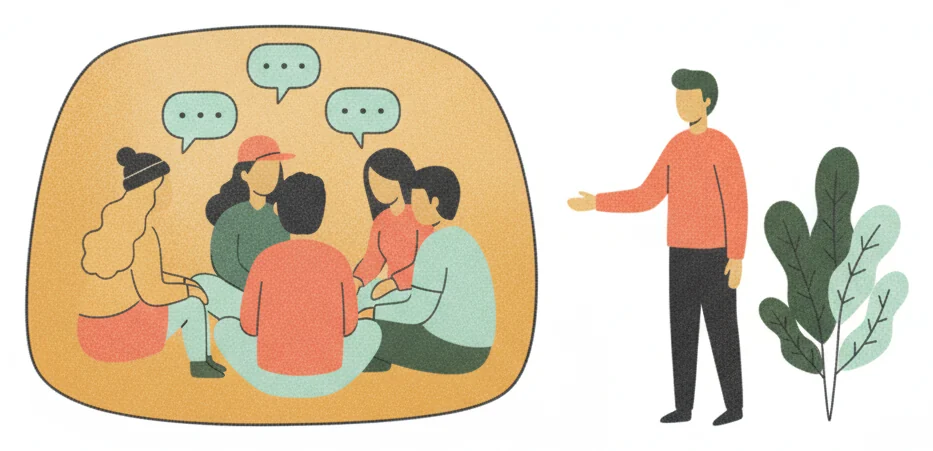
We needed one patient expert from Japan for a multi-country type 2 diabetes project. One, to sit alongside the others as a co-researcher.
Finding patients was not the problem. Japanese blogs and forums were full of people talking openly about living with type 2 diabetes. What stood out was how carefully they had anonymised themselves while doing it.
We reached out over several weeks. Nothing came back. We assumed the problem was us, a European team cold-contacting Japanese patients, so we brought in native, well-connected market researchers in Japan. We asked patient experts to approach their own peers. Still nothing.
So we went to Japan and sat with patient groups in person. They were not unhelpful, quite the opposite. They searched their own membership for someone from that community and came up empty. Their explanation was the useful part. People did not want this known. Not out of some abstract shame about being ill, but because they feared the social consequences, and they feared their employer finding out. Social media was the outlet precisely because it could be anonymous.
We dropped Japan from the project. That perspective is not in the work.
A rare skin disease, some years earlier. The clinical literature put prevalence relatively high. The social platforms showed no patient conversation at all. The people posting about the disease were specialists, clinicians who had gone onto social media to reach their own patients. We read the comments under those posts. Nobody was answering them. The reason we were given there was blunter than in Japan: you do not discuss a condition like this openly, not with friends, not with family.
Silence on every side, including toward their own doctors.
It has nothing to do with shame.
In COPD, and in advanced cardiovascular disease, we work with an older demographic. Most of them have internet access and a smartphone. Almost none of them post. Reddit is one of the richest sources of raw patient experience anywhere, and a significant part of what models learn from. These patients are barely in it.
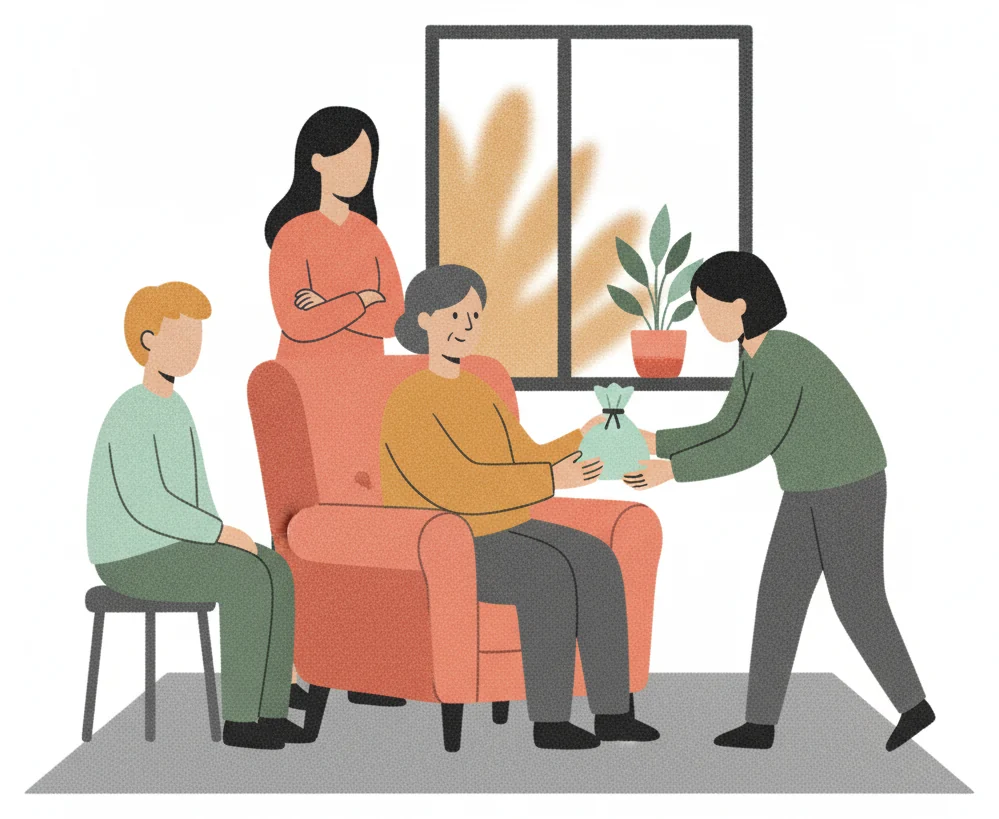
They are not absent from patient life, though. They run it locally. A patient representative for the Málaga region. A chapter lead for COPD patients in Florida. Every single patient we spoke to had built an emergency kit for a flare-up, along with their own set of ways to lower the risk of one, down to checking local air quality before deciding whether to go outside that day. None of it was written down anywhere. It moves by word of mouth, one patient at a time.
Ask a model what COPD patients struggle with and you will get breathlessness, fatigue, adherence. All true, all in the record. What you will not get is that the real answer is unevenly distributed. What a patient actually knows depends on their zip code, their healthcare system, and who happens to be running their local chapter. Those chapter leads were among the best informed patients we met, and they were teaching the newly diagnosed. Communities without one are fragmented, and they get none of it.
There is no such thing as the perfectly informed, perfectly managed patient.
A patient panel is not a neutral instrument either. It is a sample too, drawn from the people with the time to sit for ninety minutes and the willingness to be recorded, and anyone who has run qualitative research knows that room is not the general population.
The two are filtered differently, and that is the argument for running them together rather than choosing between them. It is also the real advantage, which is not representativeness. It is that a person can be asked a second question, and can tell you the first one was wrong. A dataset cannot do either.
The skew in the written record is measurable, incidentally. Across the 341 trials behind FDA approvals between 2017 and 2023, only 6 percent enrolled all four of the largest US racial and ethnic groups in line with the census.

Life sciences increasingly design diagnostics, drugs and studies for very specific populations. So before you skip patient engagement this quarter, the question is narrow: does the model represent the population this programme is actually for?
A confident AI answer sounds like coverage, but if the population your drug or trial is designed for is exactly the population AI never read about, the overconfidence is the risk, not the reassurance.
The white paper
Lived Experience Can’t Be Prompted
The full paper: the patient accounts in a patient expert's own words, the automate-or-never table, the references and the method.


✕