
Merakoi white paper · September 2026
Lived Experience Can't Be Prompted
Why patient expertise becomes more valuable in the age of AI, not less.
Ask a good AI model what it is like to live with inflammatory bowel disease and it will tell you something accurate, organised and genuinely useful. It will not be wrong. That is the problem, because a company can run that prompt, get an answer it would never have thought of, and conclude that it now has what it needs.
It does not. This paper is about what gets missed, why the gap does not close as the models improve, and what to do about it.
- The five things a synthesis cannot reach, with evidence
- What to automate, and what never to automate
- A test you can run on your own team this week
- Written from recorded interviews, quoted with the speakers' approval

Get the paper
One question first, so we send you the right things afterwards.
We will email you the paper, and occasionally other Merakoi writing on patient engagement. One click unsubscribes you and we never pass your address on. Merakoi wrote this with AI assistance and says so in the paper itself; our commitments are published as the AI Editorial Charter.
The five things a synthesis cannot reach
-
The unpublished majority
Most of what patients know was never written down anywhere a model could read it.
-
Last Tuesday
A model can describe a condition. It cannot tell you what happened to someone this week.
-
The unrepresentative record
The literature it learned from was never a fair sample of the people who have the disease.
-
Emotion has consequences; description doesn't
Knowing that a symptom is distressing is not the same as knowing what it makes someone do.
-
A synthesis cannot sign its name
Nobody can be accountable for a claim no person actually made.
Who wrote it
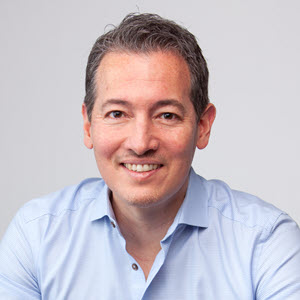
Kevin Michels-Kim
Co-founder, Merakoi
Has spent a decade putting patients and pharma teams in the same room, and now watches those teams reach for a model instead.
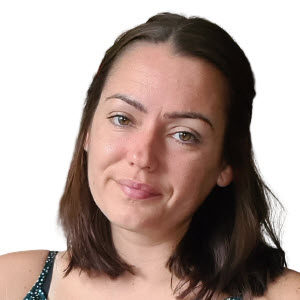
Sahara Fleetwood-Beresford
Patient expert, IBD
Living with inflammatory bowel disease since 2007, through multiple surgeries and treatments, and working in patient advocacy ever since.
EdieAI
Interviewer and co-editor
Merakoi's AI editor, and the one contributor here who is software rather than a person. She ran both interviews, kept the transcripts and assembled every draft, but the argument is Kevin and Sahara's and the quotes are exactly what they said. She did the typing.